
Bread
Make Bread Great Again.

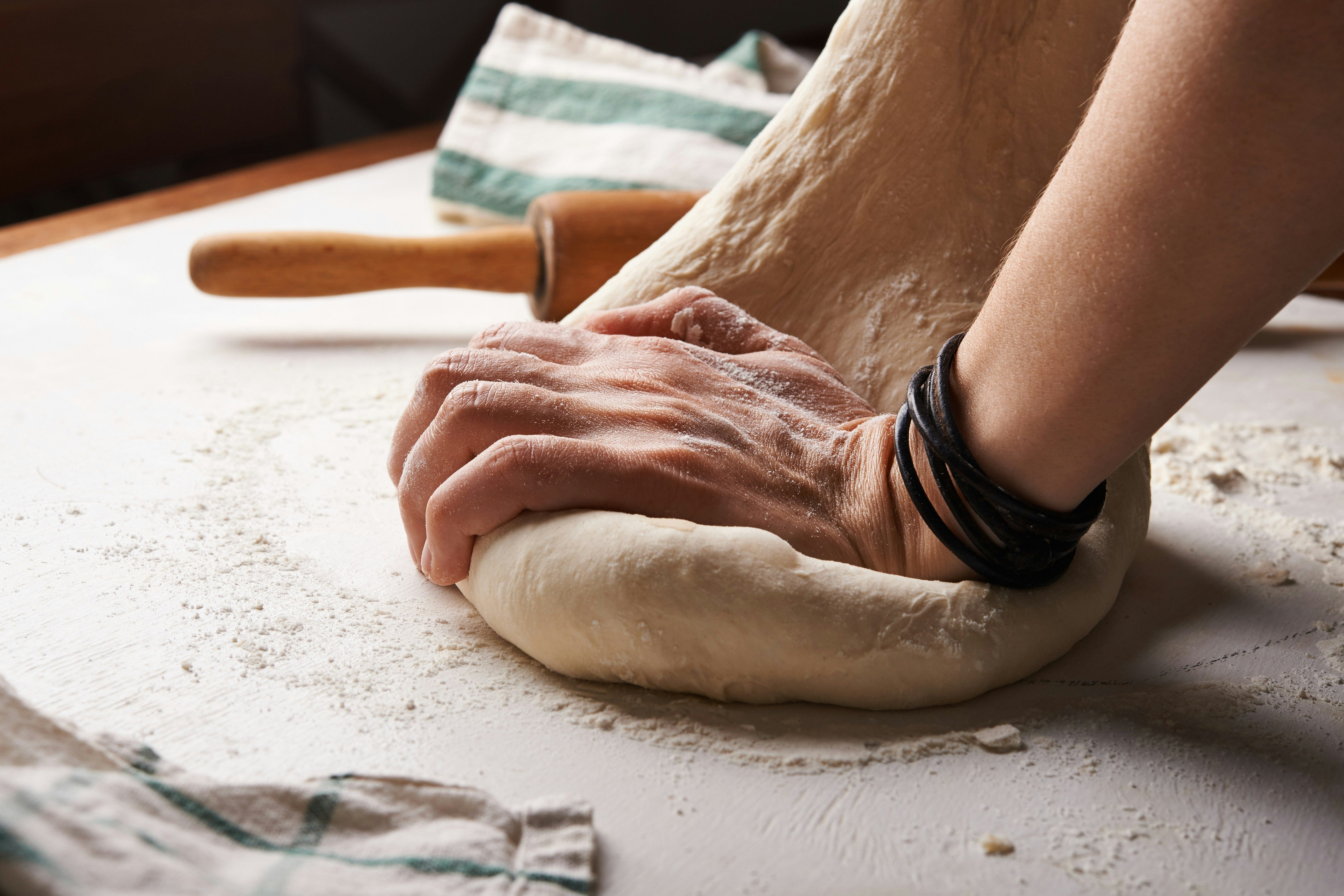
Photo by Nadya Spetnitskaya on Unsplash
More than any other food, bread has fueled the survival and flourishing of humanity.
More than any food, modern bread is a perfect symbol of how we have lost our way.
The first bread is thought to have been made about 30,000 years ago. Civilizations before us thrived on bread. In ancient Egypt, everyone from the Pharaohs to slaves ate up to 2 to 3 pounds of bread per day. Other civilizations, from the Greeks to the Romans, to the Aztecs and Incas (the used corn, not wheat primarily) to the civilizations of the Middle Ages, and civilizations across Africa and Asia all leaned heavily on bread to keep them alive.
For most of human history bread has been a superfood. It provided protein, vitamins and minerals and most of the energy for civilizations.
Today’s bread is just as likely to make you sick as it is to nourish you.
Historically, bread was made in a slow and deliberate manner so that it could provide nearly everything you need to make it through your day.
Today, most bread is made in a fast and quick way so that it can be mass produced for profit.
Dependable sustenance vs. food system designed for profit.
This is the story of bread, and so much more.
In the Beginning
Humans were domesticating wheat in the fertile crescent about 14,000 years ago. It is more likely that the existence of bread led to the creation of agriculture, not the other way around. Bread came first. The realization that we could organize our land around creating it must have come next, as organized agriculture is estimated to have appeared about 10,000 - 12,000 years ago.
About 9,500 BC we know that civilizations in Europe and the middle east were making bread.
Bread was also currency in Egypt.
Yeast added to bread to make it rise came about around 1,000 BC.
Wooden dinnerware didn’t come around in Europe until about the 15th century. You guessed it, bread was often the plate or the bowl before that.
The Chemistry of Bread
Medieval bread, and the bread of most civilizations had four ingredients - flour, water, salt, and maybe a leavening agent such as yeast.
Medieval bread was slow - it would be left to rise for a day. Natural yeasts and bacteria would break down some of the proteins - predigesting the bread so to speak. This made the gluten easier to process. Lectins, which can damage your gut lining, were reduced through this same chemical reaction.
Medieval bread was digested slowly. It kept you full. Medieval wheat was much different than the factory farming we have today. In a single field you could have many different types of wheat. It wasn’t efficient by modern standards, but it was resilient. If one strain couldn’t handle the conditions, others could and would still provide.
Einkorn wheat, the simplest wheat, is higher in protein, lower in carbs than modern wheat, but like many ancient wheat grains, is rarely used today. Stone milling happened at low heat back then, leaving the healthy oils from the wheat intact.
The Modern Equivalent
Modern bread is an industrialized food product made for profit, not nutrition.
Enriched wheat flour has been stripped of the bran and the germ for a finer texture and longer shelf life. It is enriched because the vitamins and minerals lost in this process are injected back into the bread. Modern milling, done at high temps, destroys the healthy oils originally contained in wheat.
In 1960, a scientist named Norman Borlaug developed “miracle wheat” which had shorter stalks and was resistant to disease. He won the Nobel prize for it. But the cost was bread for maximum yield per acre, not for nutrition and digestibility.
Modern wheat contains gluten proteins that our ancestors never worried about. Modern bread triggers more immune responses and inflammation than heritage wheat. Your body recognizes this as a foreign substance, not food - resulting in inflammation in many people who know nothing about this history and have no idea that their daily bread may be harming them.
Current supermarket bread is seen by your body as pure sugar. Bread spikes your blood sugar, making your pancreas flood you with insulin. Then your blood sugar crashes and you are hungry again a short time later. Over time this leads to insulin resistance and much higher rates of diabetes.
Not Real Bread
The sliced bread you get in the store is often called sandwich bread or white pan bread.
The purpose of sandwich bread is to be able to be produced quickly, cheaply, in mass quantities, last a long time and carry all the stuff we put on sandwiches. It is designed to be soft and to last at least a week at your home.
A traditional loaf will be hard the next day and it just doesn’t last long. That starch in the bread wants to form a crystal again, and that makes the bread hard. That is the starch going back into the crystal formation it was in the grain before it was made into bread. With traditional bread, mold will begin to grow in about 3 to 5 days.
If you want bread to last a long time, you have to use some type of preservative.
Sandwich bread adds sugar and fat (keeps it moist). That fat gives your mouth the feeling of moistness. There is water in there, but not much because water leads to mold. The added sugar also gives the yeast a boost so the bread can be made quickly. Calcium sulfate is added to keep the PH of the bread stable, and the calcium is a food for the yeast.
Ingredients in sandwich bread are mixed quickly and aggressively to get the job done faster and get oxygen in the dough to make the dough rise faster. Dough conditioners such as vinegar and some other type of mold inhibitor (calcium propionate) are often added to soften bread as well.
In the United States, and about 80 other countries, wheat crops are sprayed with folic acid. This was started to ensure women were getting enough folic acid in pregnancy in order to prevent neural tube defects in babies. Folic acid sprayed on bread is a manmade chemical (not natural) and is the most prevalent thing in the human diet in the United States (and many other countries).
About 40 - 50% of the population in the US has trouble processing folic acid. This causes a deficiency in methyl folate - which you need. This can cause gut and bowel problems.
Finally, most wheat in the US is pre-harvest desiccated. This means it is sprayed with glyphosate - killing the plant and drying it to make harvesting easier. Glyphosate stays in the wheat and is considered a carcinogen. It also kills good bacteria in your gut.
The Bottom Line
Our bodies want bread that is whole grain flour, water, salt, yeast and nothing else, unless you want some herbs in there for flavor (rosemary bread for example). Medieval bread is healthier. Sandwich bread is a nutritionally bankrupt starch that your body treats as an inflammatory toxin.
Modern wheat is doused with herbicides, fungicides and chemicals that your body struggles to process.
Like the rest of our modern world, the story of bread is the trading of trading slow and healthy for profitability and convenience, which is quite unhealthy.
It isn’t good for us, but we are so busy, we don’t have time for a better way.
Degrowth is the Answer.
If we want bread that nourishes us and doesn’t make us sick, we need to put wellbeing above profit. If we want a food system that nourishes us and doesn’t destroy our environment, we need to put wellbeing above profit. If we want an economic system that puts wellbeing above profit, we have to change our culture.
We can go back to a system of slow bread. Yes, bread won’t last as long, but we can adjust. You can put bread in your freezer if you have one, or just buy bread as needed. You don’t need that huge loaf. Just get what you need for today and maybe tomorrow.
Taking a degrowth path with a four-day workweek gives you more time to make traditional bread or walk down to the bakery once a week to get it. A post-growth world can invest in traditionally made local bread as part of a larger local agriculture policy, so that bread is made and used as locally as possible. Bread used to bring communities together. Imagine you lived in a community where you and your children learned to make bread and participated in the weekly making of bread for your household and your community. Imaging that this was the norm.
It can be again.
I love this so much. I want slow bread.
A vegan here, waiting for the carnivore comments as well 😄
oh man, standing by for the carnivores' comments
great post